
Senior Cat Nutrition: A Complete Guide to Feeding Older Cats for Health and Longevity
Nutrition for senior cats is one of the most powerful tools you can use to give your cat comfort, vitality, and a longer life. When cats reach their senior years—usually around the age of seven to ten—their nutritional needs begin to shift in subtle but important ways. They may no longer burn calories as quickly, their digestion becomes less efficient, and age-related conditions like kidney disease or dental problems can appear. A thoughtful approach to feeding helps you address these changes and keeps your aging feline happy and healthy.
The foundation of senior cat nutrition is high-quality animal protein. Cats are obligate carnivores, meaning their bodies are designed to thrive on meat-based proteins. Unlike dogs, cats cannot convert plant proteins into essential amino acids such as taurine, which is critical for heart and eye health. Older cats often lose muscle mass, so a diet rich in digestible protein sources—like chicken, turkey, salmon, or other lean meats—helps preserve strength and mobility. This protein should come from clearly named animal sources rather than vague fillers.
Calorie control is equally important. Some senior cats lose weight due to a decreased appetite or chronic illness, while others gain weight because of reduced activity. Both scenarios can cause problems: obesity stresses the joints and increases the risk of diabetes, while being underweight weakens the immune system. Senior diets must strike the right balance—providing enough calories to maintain healthy weight without encouraging fat gain. Wet food is often ideal since it is both calorie-dense and easier to chew.
Hydration plays a huge role in senior cat health. Cats are naturally poor water drinkers, and older cats especially benefit from moisture-rich diets to protect their kidneys and urinary tract. Including canned food, adding water to kibble, or offering a water fountain encourages them to drink more. Adequate hydration reduces the risk of urinary crystals, bladder stones, and chronic kidney disease, which are common in older felines.
Nutritional adjustments beyond protein and calories add another layer of support. Omega-3 fatty acids from fish oil help reduce inflammation, support joints, and keep the coat shiny. Antioxidants such as vitamins E and C help protect against cellular damage caused by aging. Fiber promotes healthy digestion, prevents constipation, and can help regulate weight. On the other hand, excessive phosphorus should be avoided, as high levels can accelerate kidney disease progression.
Dental health is another overlooked but critical factor in senior cat nutrition. Cats with dental disease may struggle to chew hard kibble, which leads to reduced appetite and weight loss. Switching to softer wet food or moistening dry food makes eating less painful. At the same time, regular dental checkups and veterinary cleanings remain important to maintain long-term health.
Medical conditions often shape a senior cat’s diet more than age alone. Cats with kidney disease may require a lower-phosphorus diet with carefully controlled protein. Diabetic cats thrive on high-protein, low-carbohydrate foods that stabilize blood sugar. Overweight cats benefit from calorie-restricted formulas, while underweight cats may need calorie-dense, highly palatable diets. Every cat is different, and the best approach is to work with your veterinarian to create a personalized feeding plan.
When changing foods, transition slowly over seven to ten days. Mix the new food with the old, gradually increasing the proportion of the new diet. This avoids digestive upset and gives your cat time to adapt. Watch closely for changes in appetite, stool consistency, coat quality, and energy levels. These everyday signs reveal whether your cat is thriving on the new food.
Treats and supplements deserve careful consideration. Treats should never make up more than ten percent of daily calories, and healthier options include freeze-dried meat or pieces of the cat’s regular diet. Supplements like omega-3 fish oil, probiotics, or joint-support formulas may be beneficial, but only start them under veterinary advice to avoid overdosing or harmful interactions.
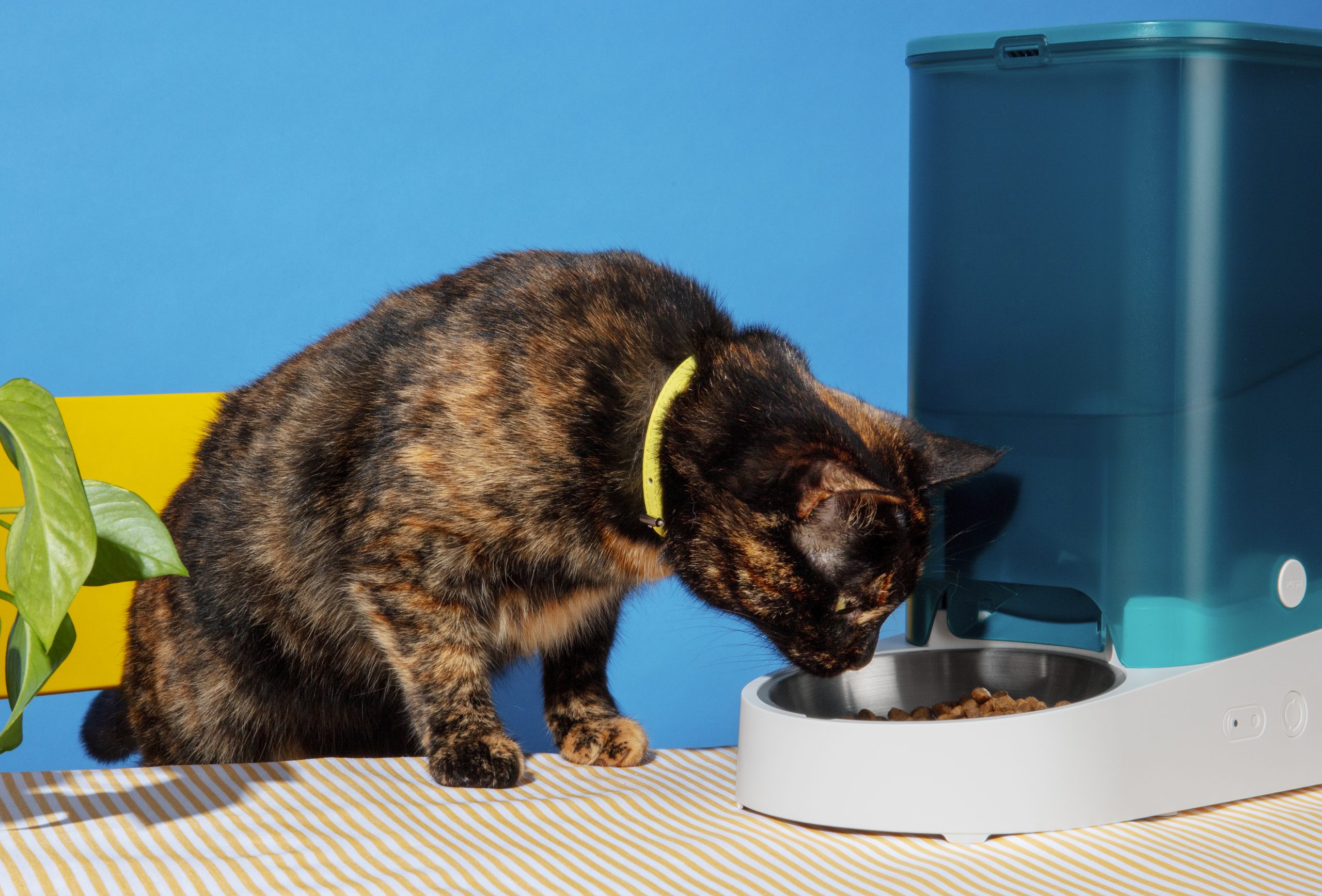
Practical feeding tips include measuring portions instead of free-feeding, dividing meals into smaller portions throughout the day, and monitoring weight regularly. Keep a log of your cat’s weight, body condition, and appetite changes to catch early warning signs of health issues.
In the end, senior cat nutrition is about more than just keeping your pet alive—it is about ensuring they live their later years with comfort, dignity, and joy. By focusing on high-quality protein, balanced calories, hydration, and medical-specific adjustments, you provide the foundation for your senior cat’s golden years.