
Keeping your cat healthy isn’t only about feeding and grooming—it’s about preventing illness before it starts. Preventive health care ensures your feline friend lives a long, happy, and disease-free life. Let’s explore the essential preventive steps every cat owner must follow. --- 1. Regular Veterinary Checkups Cats are masters at hiding pain or discomfort. Regular vet visits—at least twice a year—help detect issues early such as dental disease, parasites, or organ problems. During these visits, your vet may perform blood tests, oral exams, and body condition checks. --- 2. Vaccinations: Your Cat’s Shield Vaccinations protect your cat from deadly diseases like: Feline Panleukopenia (Distemper) Feline Calicivirus Rabies Feline Herpesvirus Your vet will design a schedule based on your cat’s age, lifestyle, and risk factors. Kittens need multiple shots in their first year, while adult cats require annual boosters. --- 3. Parasite Prevention Fleas, ticks, and intestinal worms can cause severe irritation and infections. Use vet-approved flea and worm preventives regularly. Keeping your cat indoors also reduces exposure risk. --- 4. Dental Health Dental problems often lead to other health complications. Brush your cat’s teeth gently using a cat-safe toothbrush and toothpaste. Annual dental cleanings at the vet are essential too. --- 5. Nutrition & Weight Management Overweight cats are more prone to diabetes and joint pain. Feed a balanced diet recommended by your vet and avoid free-feeding. Keep a steady feeding schedule and provide clean water at all times. --- 6. Spaying/Neutering Neutering prevents unwanted pregnancies and reduces the risk of uterine infections and certain cancers. It also helps control behavioral issues like aggression and marking. --- 7. Behavioral Health Stress can weaken your cat’s immune system. Provide environmental enrichment such as scratching posts, toys, and window perches. Cats thrive on predictability—avoid sudden changes in routine. --- 8. Senior Cat Care As cats age, they require more frequent vet visits. Older cats may need specialized diets, pain management, and thyroid monitoring. Conclusion Preventive care is the foundation of a cat’s overall well-being. With regular vet visits, vaccines, and proper nutrition, you’re not just caring for your cat—you’re ensuring a longer, happier life for your feline friend.

Essential Preventive Health Tips Every Cat Owner Should Know

Keeping your cat healthy isn’t only about feeding and grooming it’s about preventing illness before it starts. Preventive health care ensures your feline friend lives a long, happy, and disease-free life. Let’s explore the essential preventive steps every cat owner must follow.


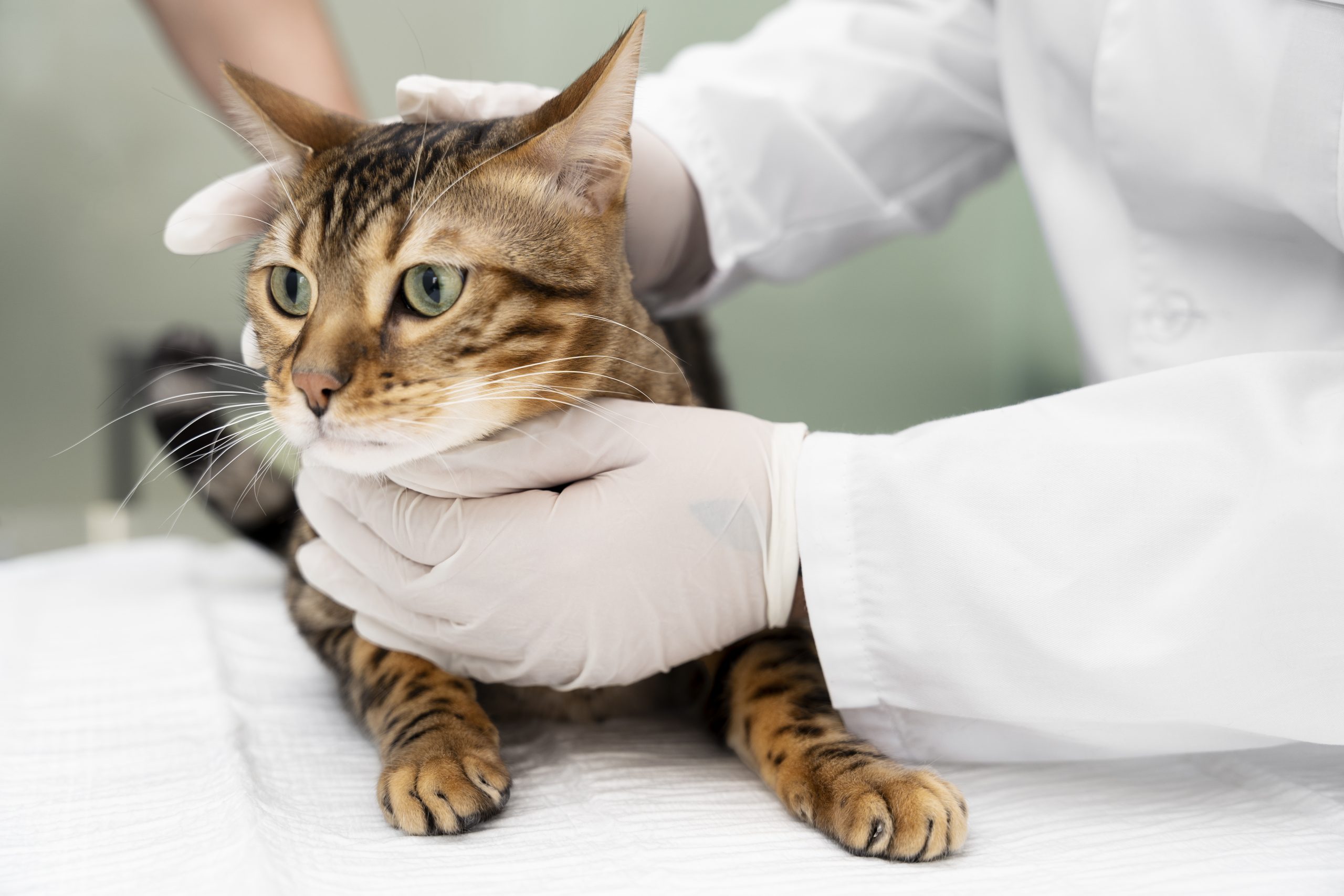
  1. Regular Veterinary Checkups

Cats are masters at hiding pain or discomfort. Regular vet visits—at least twice a year—help detect issues early such as dental disease, parasites, or organ problems. During these visits, your vet may perform blood tests, oral exams, and body condition checks.


  1. Vaccinations: Your Cat’s Shield

Vaccinations protect your cat from deadly diseases like:

Feline Panleukopenia (Distemper)

Feline Calicivirus

Rabies

Feline Herpesvirus

Your vet will design a schedule based on your cat’s age, lifestyle, and risk factors. Kittens need multiple shots in their first year, while adult cats require annual boosters.


  1. Parasite Prevention

Fleas, ticks, and intestinal worms can cause severe irritation and infections. Use vet-approved flea and worm preventives regularly. Keeping your cat indoors also reduces exposure risk.


  1. Dental Health

Dental problems often lead to other health complications. Brush your cat’s teeth gently using a cat-safe toothbrush and toothpaste. Annual dental cleanings at the vet are essential too.


  1. Nutrition & Weight Management

Overweight cats are more prone to diabetes and joint pain. Feed a balanced diet recommended by your vet and avoid free-feeding. Keep a steady feeding schedule and provide clean water at all times.


  1. Spaying/Neutering

Neutering prevents unwanted pregnancies and reduces the risk of uterine infections and certain cancers. It also helps control behavioral issues like aggression and marking.


  1. Behavioral Health

Stress can weaken your cat’s immune system. Provide environmental enrichment such as scratching posts, toys, and window perches. Cats thrive on predictability—avoid sudden changes in routine.


  1. Senior Cat Care

As cats age, they require more frequent vet visits. Older cats may need specialized diets, pain management, and thyroid monitoring.

Conclusion

Preventive care is the foundation of a cat’s overall well-being. With regular vet visits, vaccines, and proper nutrition, you’re not just caring for your cat you’re ensuring a longer, happier life for your feline friend.

Scroll to Top