
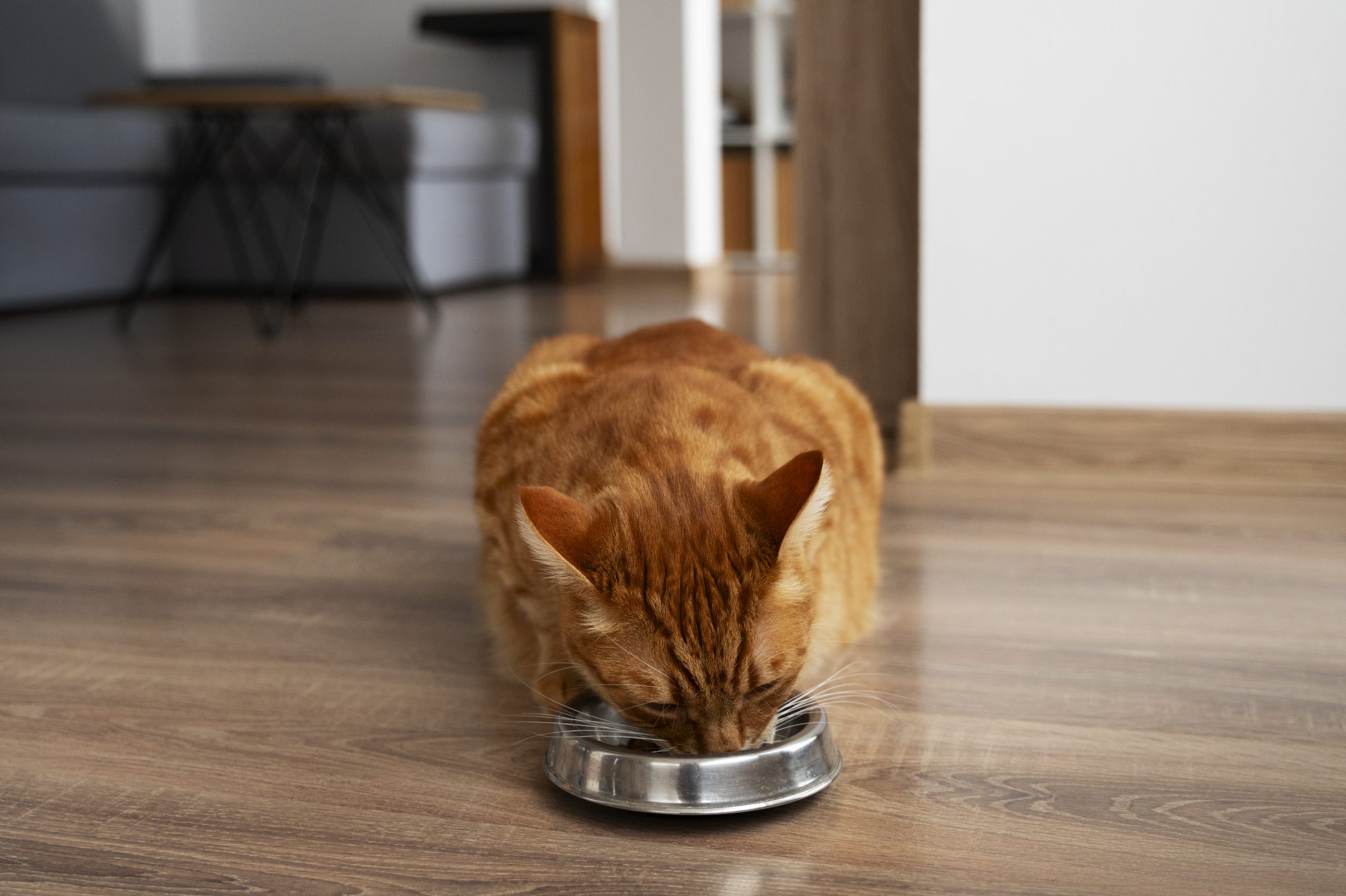
Balanced Nutrition for Senior Cats: Building a Diet That Supports Long-Term Health
Aging cats require more than love and comfort — they need tailored nutrition that supports their changing bodies. Senior cats often face slower metabolism, reduced activity, and weaker digestion. A well-balanced diet becomes their best defense against health decline, ensuring they stay active, happy, and close to you for years.
Understanding the Nutritional Needs of Senior Cats
As cats age, their caloric needs decrease, but their requirement for high-quality proteins and essential nutrients increases. The goal isn’t just feeding less — it’s feeding smarter. Choose foods rich in lean protein (like chicken, turkey, or salmon) and low in unnecessary fillers or carbohydrates. Senior cats also benefit from omega-3 fatty acids, which reduce inflammation and promote joint and heart health.
Importance of Hydration
Older cats are prone to dehydration because their thirst drive diminishes over time. Encourage water intake by providing multiple clean water sources or feeding wet food. A cat fountain can also stimulate natural drinking behavior.
Supplements to Consider
Supplements like glucosamine, taurine, and antioxidants can be valuable additions. However, consult your vet before introducing anything new. Taurine supports heart health, while glucosamine helps with joint flexibility.
Foods to Avoid
Steer clear of raw diets, processed meats, or foods high in sodium and artificial additives. These can strain the liver and kidneys of older cats.
Conclusion
A thoughtful, nutrient-rich diet ensures your senior cat’s body and mind remain strong. Combine proper feeding with regular vet check-up’s to detect any deficiencies early.