
Health Check-up’s for Senior Cats: Why Regular Veterinary Care Matters in Old Age
As cats enter their senior years, usually around age seven or older, their bodies undergo changes that are not always visible to the naked eye. A cat may still look playful, eat well, and act normal, yet underlying health issues could be developing silently. This is why regular health checkups for senior cats are not just important—they are life-saving. Consistent veterinary care helps identify problems early, manage existing conditions, and ensure a comfortable, longer life for your feline companion.
One of the biggest reasons for regular checkups is that cats are experts at hiding pain and illness. Unlike dogs, cats instinctively mask discomfort, a survival trait from their wild ancestors. By the time symptoms become obvious at home, the disease may already be advanced. Veterinary visits allow for professional examinations, blood tests, and screenings that catch conditions like kidney disease, thyroid imbalance, or heart problems in the earliest stages when treatment is most effective.
A typical senior cat checkup begins with a physical examination. The vet will check body weight, muscle tone, coat quality, eyes, ears, teeth, and heart and lung sounds. Weight changes alone can be a critical clue: gradual weight loss might indicate hyperthyroidism, kidney disease, or diabetes, while weight gain may suggest reduced activity or other metabolic issues.
Dental examinations are also vital. Dental disease is one of the most common health problems in senior cats. Plaque buildup, gingivitis, and tooth resorption can make eating painful, leading to reduced appetite and nutritional deficiencies. Regular dental cleanings, combined with professional advice on diet and home care, prevent long-term complications and improve quality of life.
Bloodwork and urine analysis are cornerstone tests for senior cats. These screenings can reveal hidden conditions such as kidney disease, liver problems, thyroid imbalances, and diabetes before external symptoms appear. For example, chronic kidney disease is very common in older cats, and early detection allows dietary changes and medications to slow its progression dramatically.
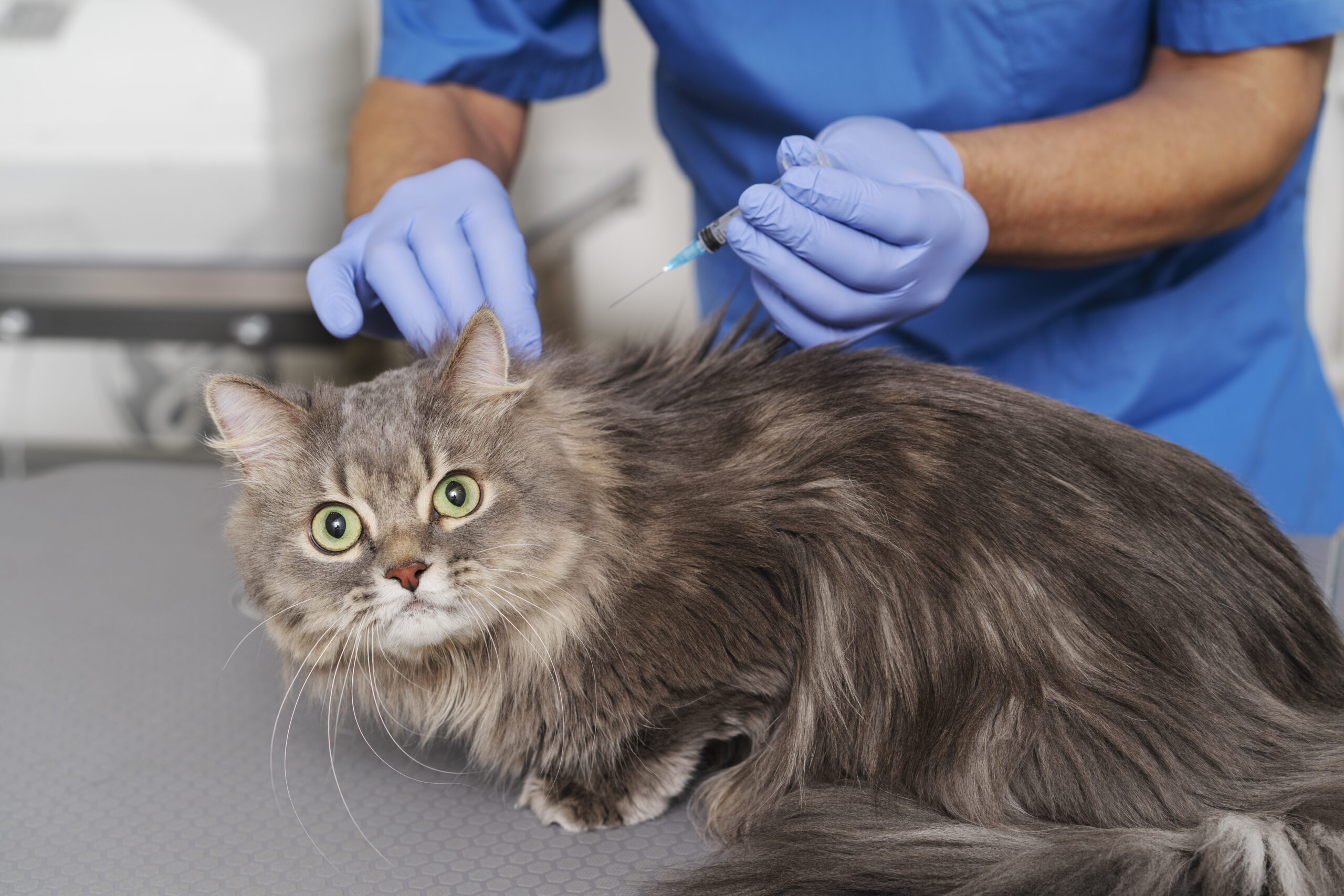
Routine checkups also allow for vaccination updates and parasite control. While senior cats may not need as many vaccines as younger cats, maintaining core protection against serious diseases remains essential. Parasite prevention—fleas, ticks, and intestinal worms—still matters, even for indoor cats, as parasites can enter the home on clothing or other pets.
Another key part of health checkups is mobility assessment. Arthritis often goes unnoticed because cats rarely limp like dogs do; instead, they may jump less, hesitate to climb, or sleep more. Vets can evaluate joint health and recommend treatments such as pain relief, joint supplements, or lifestyle adjustments like ramps and soft bedding to improve comfort.
Blood pressure monitoring is also increasingly recommended in senior cats. High blood pressure can damage the kidneys, eyes, and heart, often without clear signs until advanced. Simple monitoring at checkups provides early intervention and prevents complications.
Eye and ear exams are equally important. Senior cats can develop cataracts, retinal disease, or ear infections that interfere with vision and hearing. Regular examinations ensure these issues are managed before they affect quality of life.
Checkups are not only about physical health but also about behavioral and cognitive well-being. Senior cats can develop cognitive dysfunction syndrome (similar to dementia in humans), leading to confusion, restlessness, or changes in sleep patterns. Discussing these signs with a vet ensures proper management strategies are in place.
The frequency of veterinary visits increases with age. While young cats may only need annual checkups, senior cats often benefit from biannual visits. Every six months allows vets to track changes more closely and address concerns before they become serious. Early detection adds not just years to your cat’s life but life to their years.
For owners, preparing for checkups is equally important. Keep notes about your cat’s eating habits, litter box use, weight changes, activity level, and behavior. Share these observations with your vet, as they provide valuable insight into your cat’s daily life. Stress-free travel also matters—use a comfortable carrier, keep it familiar at home, and consider covering it with a towel during the trip to reduce anxiety.
In conclusion, regular health checkups for senior cats are not optional—they are essential. From routine bloodwork and dental exams to weight monitoring and mobility checks, these visits create a roadmap for proactive care. With veterinary support, you can catch hidden illnesses early, manage chronic conditions effectively, and provide your beloved feline with the comfort and dignity they deserve in their golden years.